

Weekly program alignment
Most properties transition into weekly lawn maintenance in Mount Pleasant for consistent results.
Route scheduling and service cadence align with our broader weekly lawn maintenance program across Charleston.
Pricing
Review cost expectations in the Charleston lawn care pricing guide.
Proof
See how consistent routing improves properties in our lawn maintenance before and after work.
Next step
Mount Pleasant Lawn Types We Route Weekly
Coastal neighborhoods, Highway 17 corridors, and HOA entrances each stress turf differently—weekly routing keeps presentation consistent through humidity and salt-air exposure.
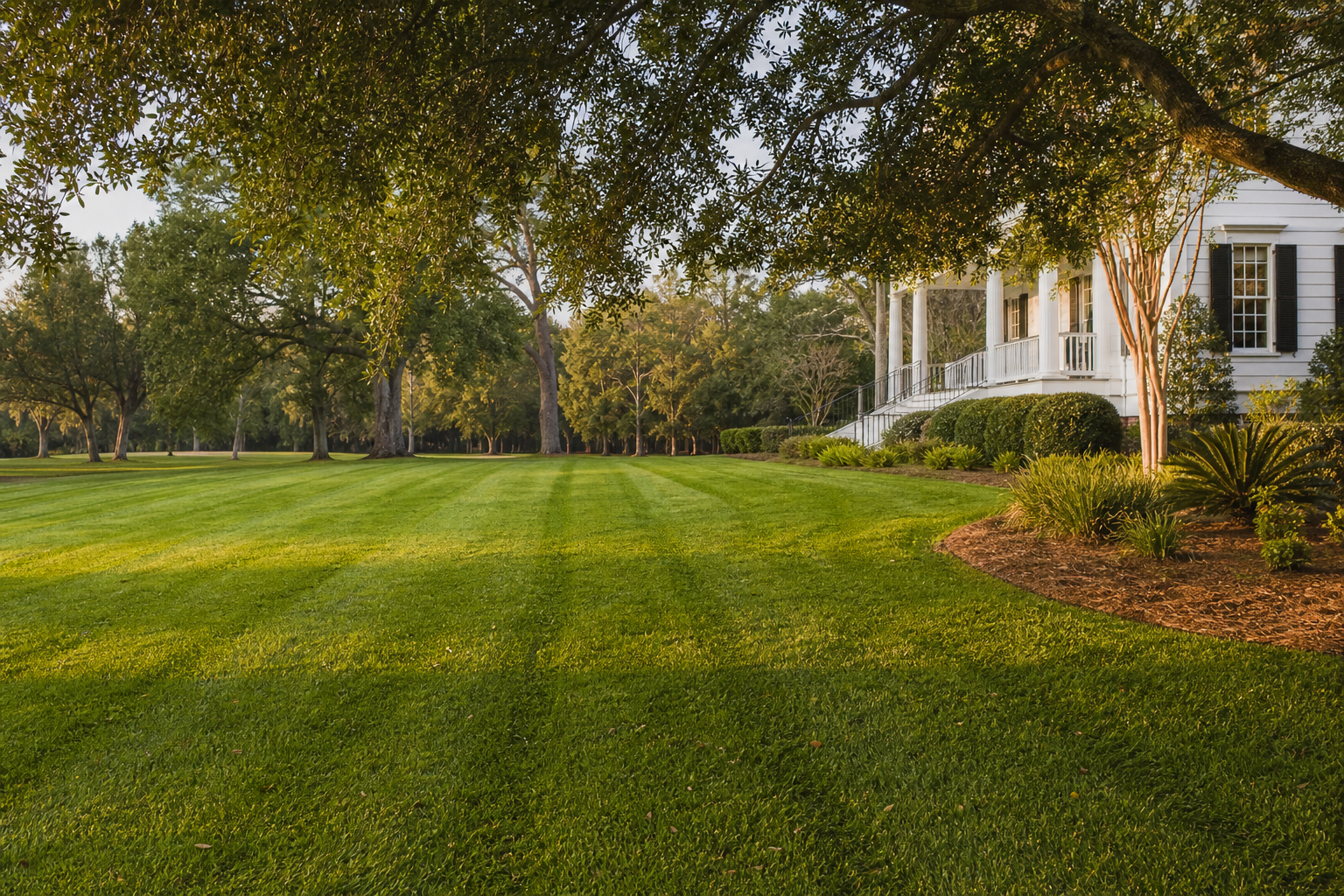

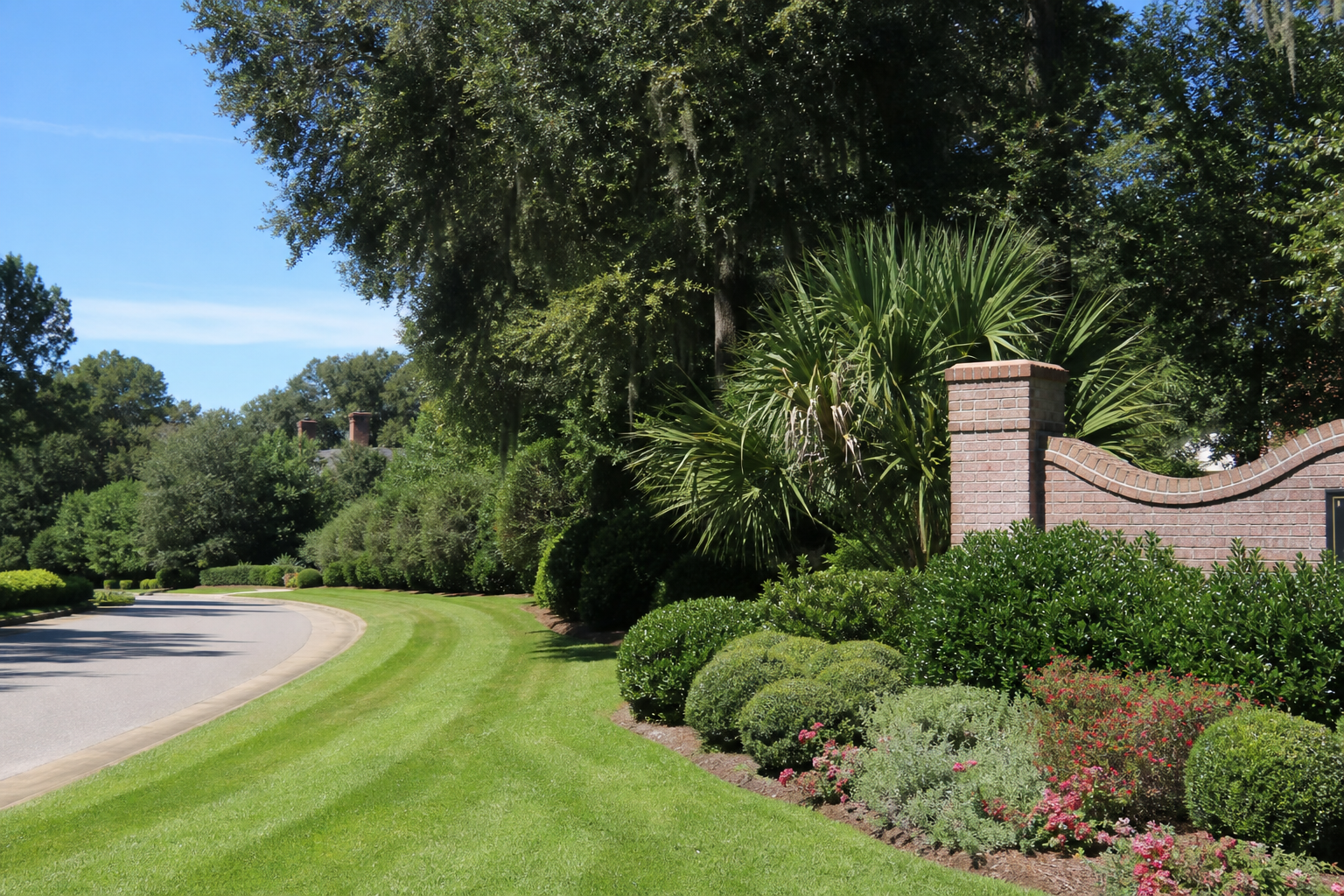
Lawn Maintenance Services in Mount Pleasant
Full-scope execution still documents priority line items for this corridor, then layers the rest into your written plan.
Structured maintenance includes lawn mowing and lawn fertilization based on property needs.
What's Included in a Mount Pleasant Lawn Maintenance Plan
- Weekly mowing during active growing periods
- String trimming around fences, beds, trees, and hardscape edges
- Clean edging along sidewalks, driveways, and curb lines
- Blowing and cleanup after each visit
- Bed maintenance and weed control options
- Seasonal cleanup and property refresh options
- Fertilization and turf health recommendations when needed
Mount Pleasant Lawn Maintenance at a Glance
- Weekly lawn maintenance for consistent results
- Clean edging and detailed property presentation
- Programs built for local growth conditions in Mount Pleasant
- Residential, HOA, and commercial coverage
- No contracts required to get started
Weekly Lawn Maintenance in Mount Pleasant
Most Mount Pleasant lawns need a fixed weekly anchor through peak growth so height and edges stay on calendar—not reactive catch-up passes.
Detailed cadence and substitutions are documented in your maintenance plan once scope is locked.
Mount Pleasant Properties We Maintain
- Single-family homes in I'On, Park West, Dunes West, Carolina Park, Old Village, Belle Hall, and Hamlin Plantation
- HOA communities and entrances along Coleman Boulevard, Rifle Range Road, and Shem Creek corridors
- Waterfront and marsh-adjacent lots where salt drift and wind change how edges read from the street
- Corner lots and busy-thoroughfare fronts near Highway 17 and the Arthur Ravenel Jr. Bridge corridor
- Rentals and second homes where predictable weekly scope protects curb appeal between visits
Serving Mount Pleasant and Nearby Areas
We provide lawn maintenance services throughout Mount Pleasant and surrounding areas, including properties along Highway 41, Long Point Road, and areas near Shem Creek and the Arthur Ravenel Jr. Bridge corridor. We also service nearby communities and connect our work across the region through our main Charleston lawn maintenance services.
Our team understands the differences between inland and coastal properties, including drainage challenges, soil composition, and seasonal growth patterns that impact long-term lawn health.
Nearby lawn maintenance hubs:
For Town of Mount Pleasant turf stress, HOA fronts, and Highway 17 corridor properties, start with our lawn maintenance in Mount Pleasant, SC hub—then explore neighboring areas above.
Lawn Care Pricing in Mount Pleasant
Lawn maintenance pricing in Mount Pleasant, SC depends on property size, mowing time, bed maintenance, edging detail, access, and service frequency. Smaller residential lawns may need simple weekly care, while larger corners, long fence lines, and homes with multiple beds require more time each visit.
The best way to price the property accurately is through a walkthrough. From there, we build a written maintenance plan so you know what is included, how often the property is serviced, and what level of care your lawn needs.
For broader pricing context, visit our Charleston lawn care pricing guide.
Real Lawn Maintenance Results
Consistent lawn maintenance leads to improved curb appeal, healthier turf, and clean property presentation over time. Weekly scope addresses what Mount Pleasant lawns show first after growth surges: sandy fronts, salt-stressed edges, and HOA-visible strips.
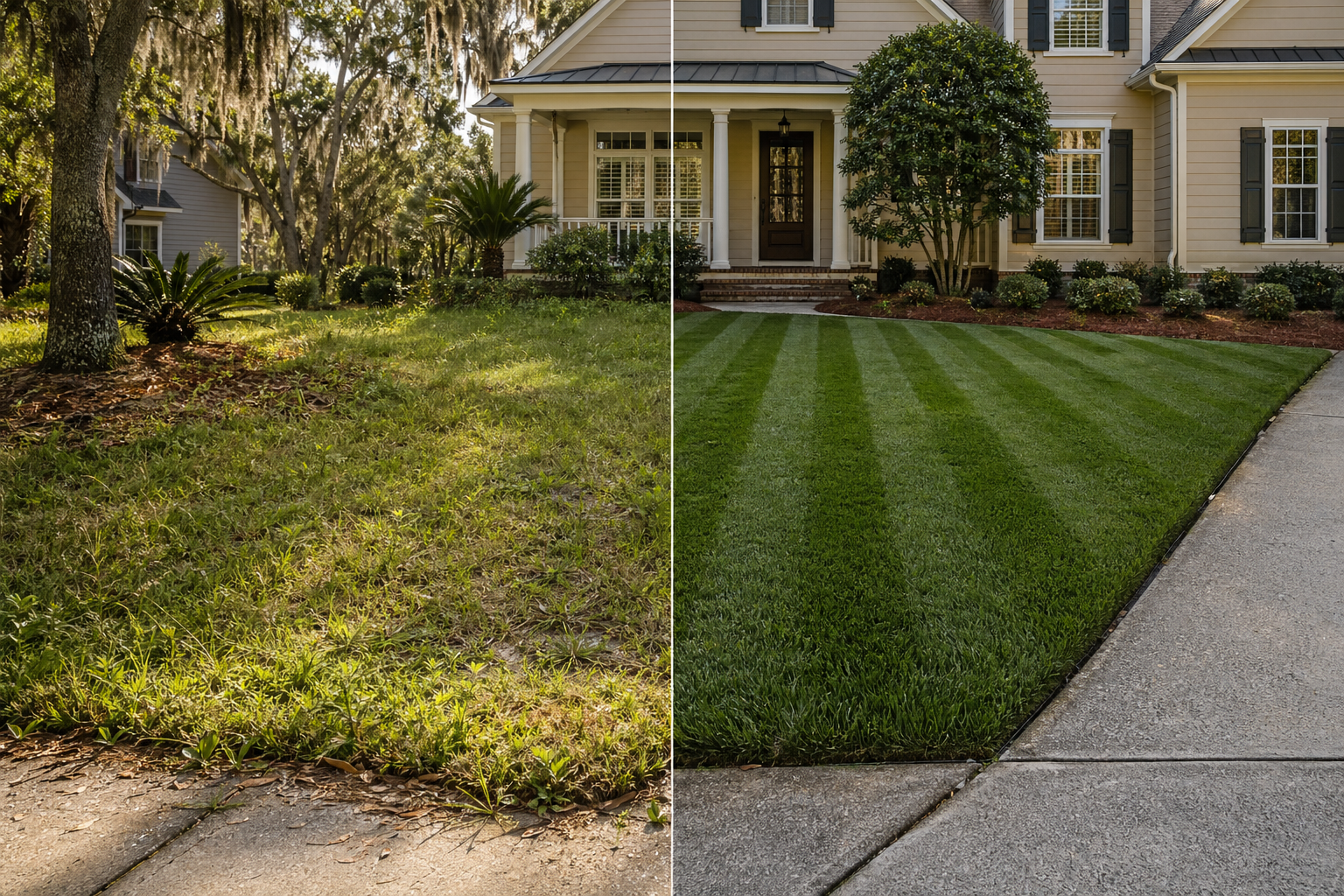
View more transformations on our before and after lawn maintenance page.
What Clients Say About Our Lawn Maintenance
“We've used multiple lawn services before, but this is the first time our yard has stayed consistently clean every week. Edges stay sharp, no missed visits, and the lawn actually looks maintained between services.”
— Homeowner near Old Village, Mount Pleasant
“They show up every week, the yard always looks clean, and we don't have to think about it anymore.”
— Homeowner, Mount Pleasant
“Fence lines and our mailbox strip used to look rough between cuts. Now it's consistent—edging actually holds, and communication is straightforward when weather shifts the schedule.”
— Property owner, Park West area
Trusted by homeowners across Mount Pleasant for consistent weekly lawn maintenance and reliable property care.
Read more feedback on our reviews page.
Get a Lawn Maintenance Quote
Most Mount Pleasant clients come to us after dealing with missed mowing schedules, inconsistent edging, or lawns that look overgrown between visits. Our structured weekly maintenance system is designed to eliminate those problems completely.
If you want reliable lawn maintenance in Mount Pleasant without chasing crews, missed visits, or inconsistent results, we can build a structured weekly plan for your property.
Weekly routes in Mount Pleasant fill quickly due to demand across Highway 17, Park West, and Dunes West—start with a walkthrough and secure a consistent maintenance schedule for your property.
Skip the phone tag— request a Mount Pleasant maintenance plan through the same assessment our routing team uses metro-wide.
No contracts required to start. Most properties onboarded within 5–10 days.